Solo journeys · Personal cruise advice
London, England — cruise port guide
Use this London, England cruise port guide to put the destination in context before choosing a luxury voyage. The original destination notes below can help you compare time ashore with the pace of a longer itinerary.

Plan your time ashore
For a visit to London, England, check the current arrival and departure times, the actual berth or tender arrangements, and the distance between the port and the places you hope to see. Leave a comfortable margin for returning to the ship.
Solo travelers may prefer an organized excursion, independent exploring or a quieter day on board. Ask about excursion availability, walking distances, accessibility needs and local transport before making plans. Entry requirements and local conditions need current confirmation.
 |
 |
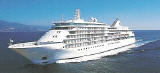 |
|||
 |
 |
||||
|
London, England |
Luxury Cruises Single |
||||
|
Awaiting Your Return From Shore |
|
Awaiting Your Return From Shore |
|||
|
|
|
||||
|
|
|||||
|
|
|
||||
|
Complimentary Spirits Await |
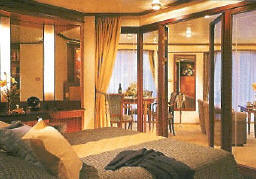
Return to Your Suite and Sail Away to The Next Adventure |
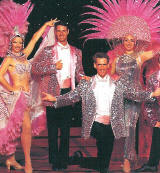
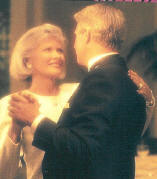
Entertainment and Dancing Await You |
|||
|
|
|
|
|||
|
Luxury Cruises Single LUXURY CRUISES SINGLE |
 London's museums and galleries are as varied and rich as you will find
anywhere. Monuments run the gamut from Roman ruins to great baroque churches
representing the architecture of the triumphal British Empire. Many of the
public buildings were constructed in the 18th century and during the reign
of Queen Victoria to reflect the city’s status as the financial and
administrative hub of a great empire. London today wears its 2,000 years of history with dignity. Alongside
modern skyscrapers are remnants of the city’s Roman wall. Norman London is
evident in William the Conqueror’s White Tower, as well as in the oldest
stones and tombs of Westminster Abbey. A few medieval churches, the city’s
oldest pub, and the timbered Elizabethan façade of Staple Inn recall London
before the Great Fire of 1666. Stately Georgian squares from the 18th
century are preserved in the fashionable West End; the neo-gothic style of
the 19th century is common.
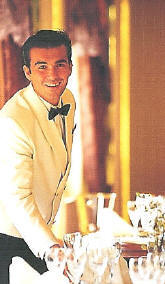 Elegant DiningTop Entertainment

Questions before you book
How do I request a solo cruise quotation?
Email info@deluxecruises.com with your preferred ship, dates, guest count and cabin or suite preference. Ask for a fast response, current prices and personal advice.
Do the listed dates and prices confirm availability?
No. Treat the original schedules and offers as reference material. Deluxe Cruises will confirm current dates, accommodation, inclusions and the total fare in a written quotation.
What should I confirm before arranging travel?
Confirm the complete route, joining ports, time away, solo accommodation cost, payment terms and any flights, transfers or hotels you need. Ask which arrangements are included in your quotation.